Marriage comes to the Cellar

We welcome the return of June as the month with warming days that extend well into the evening and mercifully to their greatest lengths of the year. June also tends to be the time when many choose to extend their hearts in the ceremony of marriage. According to etymology, (apparently, that’s the study of the origin of words – how about wordology?), June is actually named after the Roman goddess Juno, the goddess of marriage.

If Juno was with us now, my guess is she would surely love a seat here at the old oak tasting table because some of the today’s most delicious wines present the wedded bliss of two, three or more grapes.

So this month, marriage comes to the cellar.  We’ll be celebrating three wonderful amalgamations of grapes that make three very tasty, and affordable wines. And great news, there will be no long speeches.

Welcome back to the cellar.  

The first marriage we’re attending takes place between two lovely individual grapes; Syrah and Grenache. What a beautiful couple they make. And they stand together as one in this bottle of Bastide Miraflors 2017.
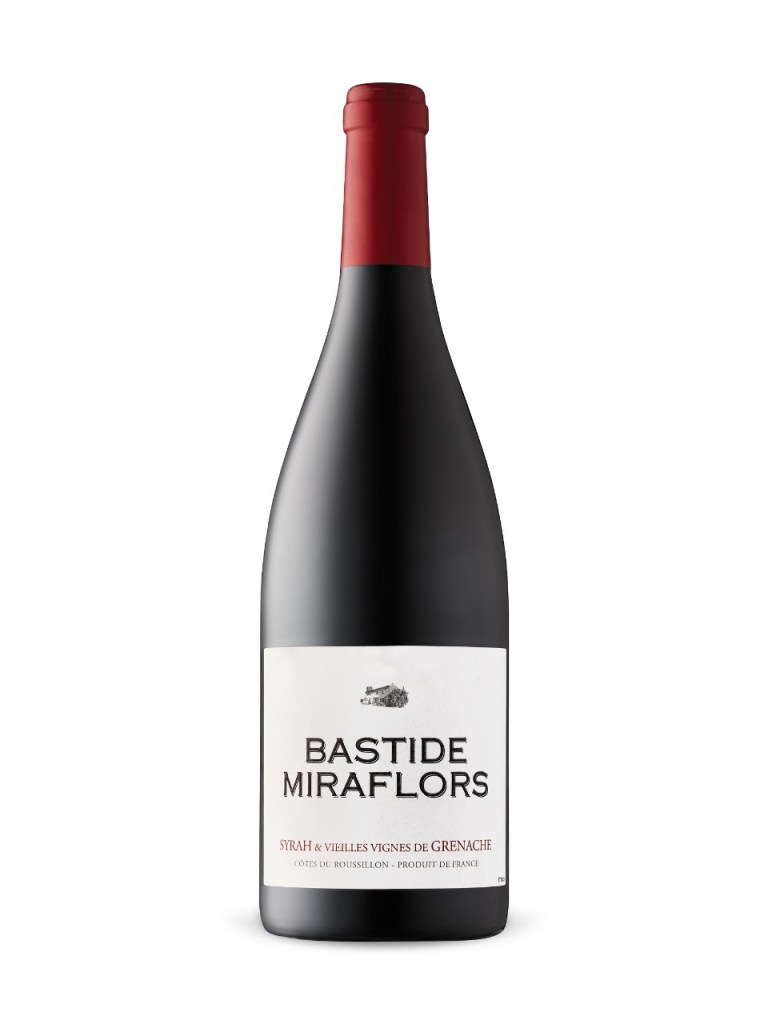
Bastide Miraflors Syrah/Vieilles Vignes Grenache 2017
Syrah/Grenache
750 mL bottle  |   VINTAGES#:  320499

$19.95

In the glass it’s deep, dark and opaque as night in the French county it comes from; Rousillion, just north of Marseille.

One whiff and you’re enveloped with an earthy minerality, black currants, hints of fennel and black licorice. And on the tongue it’s rich, smooth, full bodied and as cushy as a silk pillow. This union might just bring a tear to the eye but it can certainly brings one’s hand to pour another glass.

While now that we’re in a French state of matrimonial bliss let’s bear witness to a marriage that comes to us from Provence, just south of Roussillion also in the southeast of France. Before us stands the beautiful Domaine de Triennes Rosé. This is a match made in heaven between the blushing bride that is none other than the soft and floral grape, Cinsault (San-Soh) and her three soul mates (okay so it’s a modern marriage) Grenache, Syrah and Merlot.
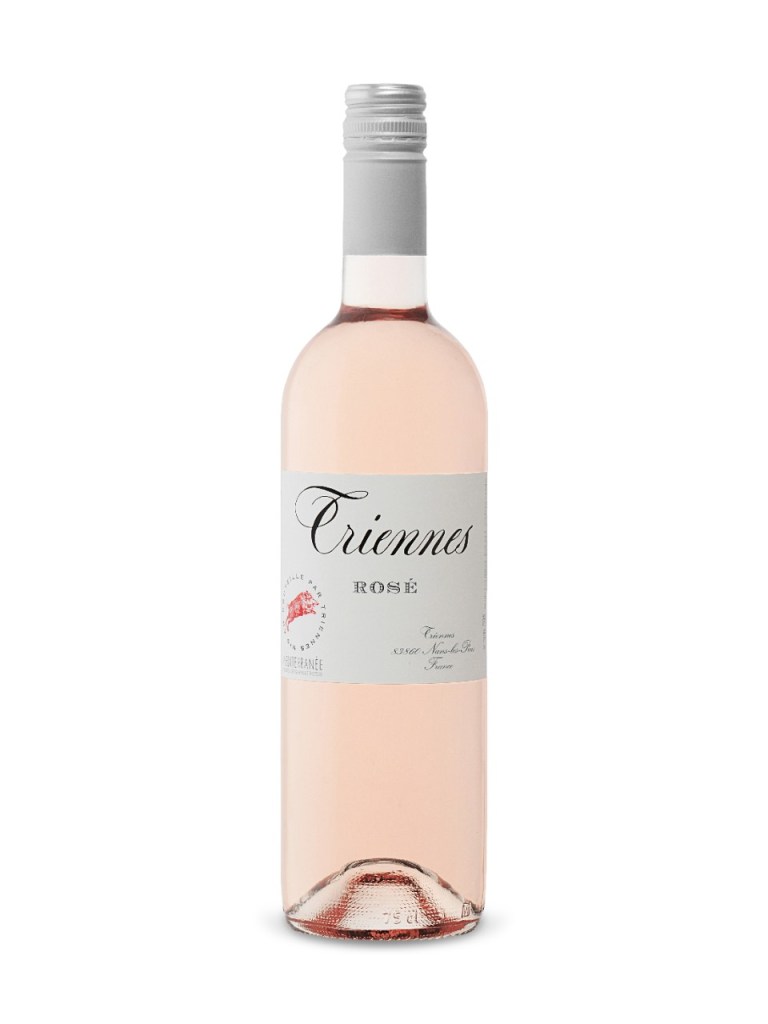
Domaine de Triennes Rosé 2019
Rosé
750 mL bottle  |   VINTAGES#:  409771
$19.95

Putting it to my nose is like taking a turn through a spring garden without knowing at all what the fragrance in the air is, only that it smells damn good.

Tilt it mouthward and you discover it’s refreshing, dry and delicate with inviting flavours of raspberry and strawberry and apple.

One sip and I’m transported to a terrace on the French Riviera and I’m Cary Grant with Catherine Deneuve seated next to me. Okay so that might have been a few sips.

Before I get myself in trouble let’s leave France shall we and get to our third wedding in the south of Australia. This one is quite unique as it sees three grapes getting together in a rare union that makes it my under the radar selection for this month. Shiraz and Cabernet Sauvignon often partner up but here they have surprisingly tied the knot with the thick-skinned, intensity of Mr. Malbec.
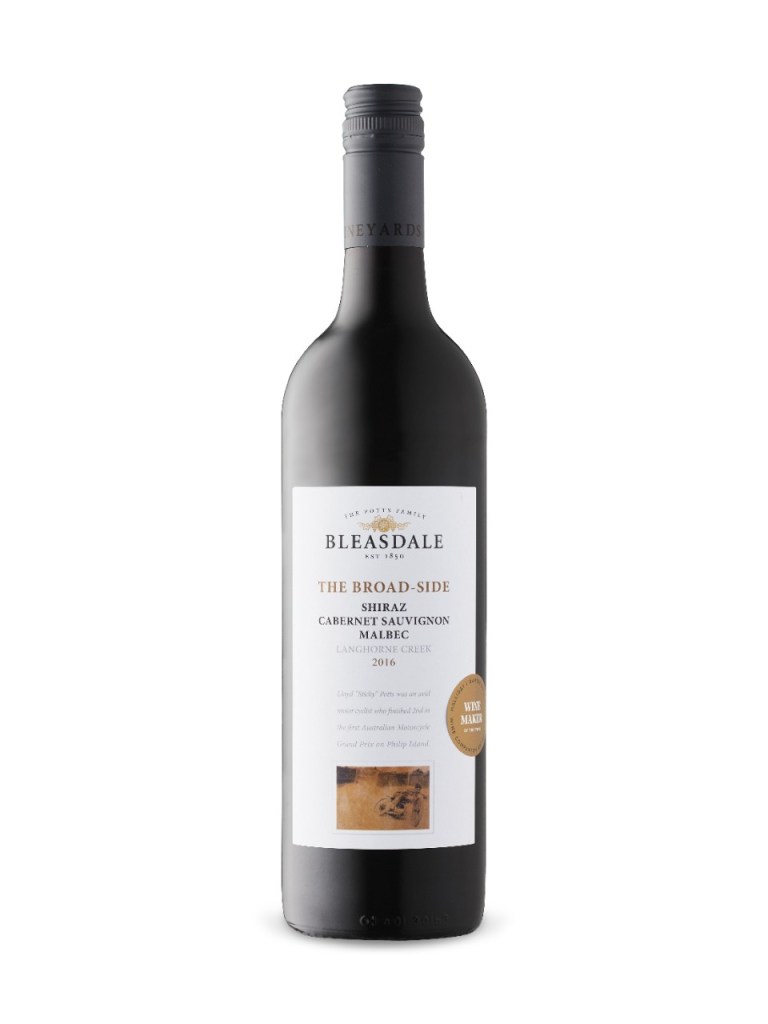
Bleasdale The Broad-Side
Shiraz/Cabernet Sauvignon/Malbec 2016
750 mL bottle  |   VINTAGES#:  632091
$19.95

Bleasdale Vineyards’ The Broad-Side 2016 comes from Australia’s second oldest family owned winery. This interesting triumvirate of grapes is a deep, plummy purple in the glass. In keeping with wedding tradition, it throws a lovely bouquet of black berries and herbs that you can’t help but catch with your nose.

It’s medium bodied and smooth but the Shiraz and Cab here are balanced by the  personality of Malbec. It goes nice with a receiving line of grilled chipotle black bean burgers.

Well, there we are. We’ve experienced three wonderful marriages. I don’t know about you but I’m emotionally spent. And all this confetti and rice down here in the cellar is going to be a bugger to clean up. But before we part for another month, I’d like to tell you about something new in the cellar.

My long-time pal Brian Hickling has designed and set up a website for us cellar- dwellers. So if you’re interested in any back issues of Jim’s Affordable Cellar, or a little background on yours truly, just visit jimsaffordablecellar.ca and revisit our times together over the last 15 months. Thanks Brian.

See you back here in July. Until then, keep your glass of wine close and your friends even closer. Especially if they’re in your bubble.

Jim

As I mention at this point every month, if you know a lot more about wine than I do, and are finding yourself thinking ‘thanks but no thanks’, please tell me to put a cork in it. I won’t be insulted, and I’ll give you one less email to read each month. On the other hand, if you’re enjoying these wine meanderings, I’m glad. And please let me know what you think. Of course, if you know someone who might like this monthly distraction, they can contact me at: roamingbuffalo44@gmail.com

or  jimsaffordablecellar.ca

‘When the French wine industry was brought to its knees by an aphid.’

Issue #14     May, 2020

May is here and we have yet again emerged from the cold war, otherwise known as winter. Meanwhile, as we continue in the battle against Covid-19, easy access to the wine shelves of the LCBO remains a little ways off.  And finding the wine you’re looking for can still be a bit like finding toilet paper. That said, in this issue, we’ll get to know a red, a white and as always, an under the radar wine with the hope they are indeed findable. But I’m confident if anyone can find them, we can.

Welcome back to the cellar.

While we are all dealing with these unsettling times, I thought you might be interested in hearing of another time, when the French wine industry faced a daunting and uncertain future.

It was the mid-19th century when it was attacked and devastated, not by a virus, but by a tiny sap-sucking, aphid.

../phylloxera.gif

The little insect is known as Phylloxera. Ugly little bugger, but let’s call him Phyl. Well, little Phyl proceeded to lay waste to the grapevines of Europe, South Africa, and New Zealand. And he left in his wake, considerable economic collateral damage. It was what became known as The Great French Wine Blight.

../Phylloxera%20cross.jpg
France has many of these Stone Phylloxera Crosses. They mark sites where the pest first appeared.
They were covered with religious symbols and inscriptions to ward off the infestation.

Here’s how it happened. In the 1860s, botanists in Victorian England began importing American grapevines. Phyl had never been overseas so he hopped a ride. Back in America he only liked to munch on the leaves of grapevines, but in England and then more so in France, he developed a voracious appetite for not just the leaves but the roots of indigenous vines. As you can imagine the results were catastrophic. Grape growers became so desperate in France, one of the measures taken was to bury a live toad under each vine to draw out the “poison”.

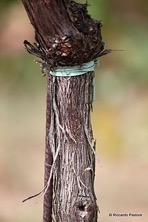
In time (about 30 years) the wine industry figured out that if they grafted French vines onto American rootstocks Phyl might just revert to his less destructive ways and wouldn’t have the munchies for the vine’s roots.   

../Vine_grafting.jpg
A French vine grafted onto an American root stalk.

The short story is, it worked. For the most part, Phyl lost his appetite. Had American rootstock not been available and ingeniously used the way it was, there would be no wine industry in Europe or most places other than Chile, Washington State, and most of Australia. Oddly enough, California had an outbreak of Phylloxera in the 1980’s. But today, all is well again and lucky for us we get to enjoy wine from all over the world thanks to some brilliant biologists and viticulturists of the past.

Now I know what you’re thinking. When is he going to talk about some wine from this century?  Okay. Here we go.

Due to the availability challenges mentioned earlier, I’ve decided to put a bug in your ear about three bottles that are part of the LCBO’s Essentials list. These wines are usually always available so there shouldn’t be any lunch-bag letdown when you get to the store.

Spain suffered greatly in the great wine blight, (as we now know, there was nothing great about it) but it’s eventual recovery made way for this very nice red from Rioja.

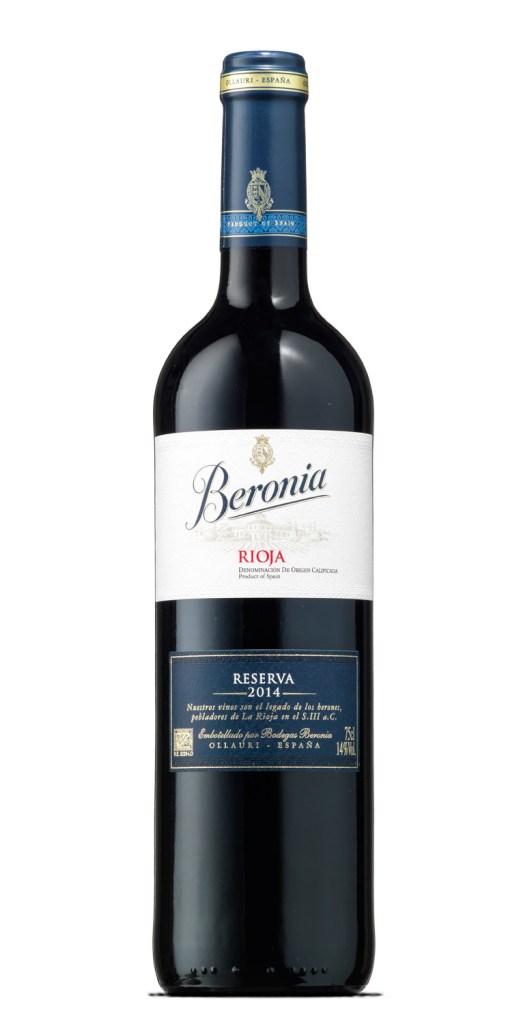
Beronia Reserva 2015 steps just over the $20 threshold but that extra $1.95 investment pays great taste dividends.

Beronia Reserva
Rioja, Spain
750 mL  bottle  VINTAGES#:  50203
$21.95

This Beronia is a delicious blend led by the wonderful Spanish black grape called Tempranillo; the primary grape of the Rioja region. Full-bodied and brooding like the expression of a matador lurking in the shadows, it tastes of black cherries, blackberry, black pepper and smoke.

Beronia also has two other even more price conscious siblings worth checking out, but we’ll get to them in the future. So much wine, so little time.

../cq5dam-2.web.319.319.jpeg

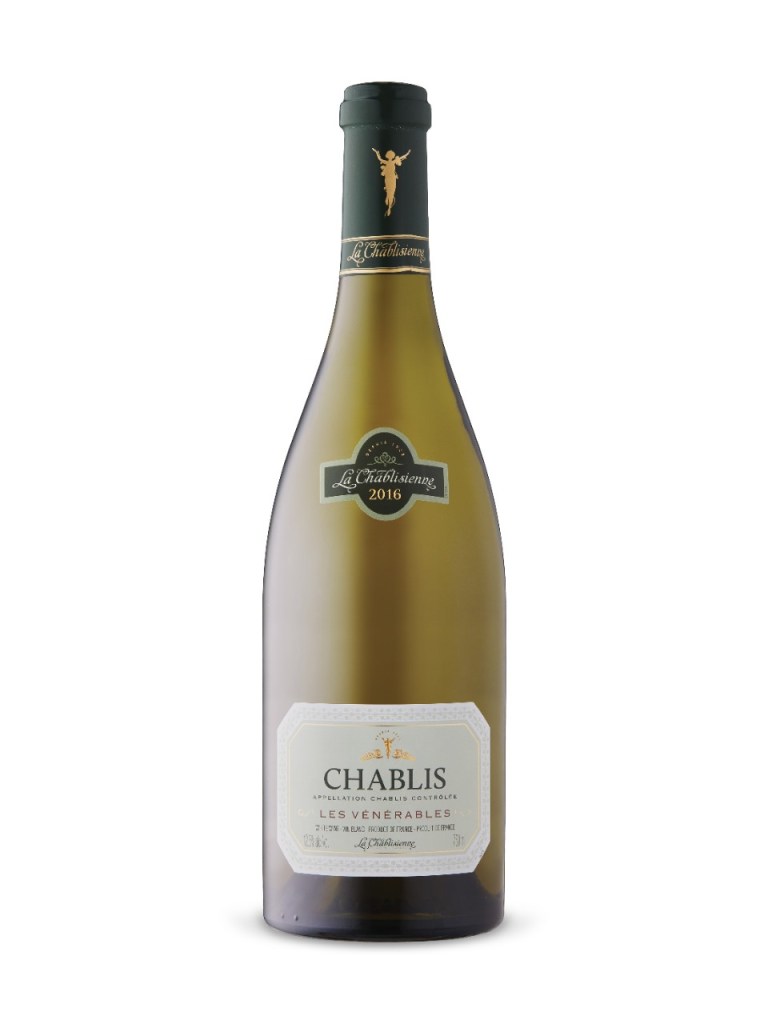
La Chablisienne Les Vénérables Vieilles Vignes Chablis
Burgundy, France
750 mL  bottle VINTAGES#:  215525
$27.95

Since in this issue we’re remembering France’s great triumph over Phylloxera, I couldn’t resist pulling out a bottle from France’s great Burgundy region. Granted, La Chablisienne is a tad less affordable but it’s a whole lot of beautiful. And with what we’ve been going through, we deserve it, damn it!

La Chablisienne is a Chablis produced from old vines so it’s more concentrated with flavour. It comes from the most northern part of Burgundy where the cool climate produces Chardonnay grapes with more acidity and less fruitiness.

That said, Chablis and certainly La Chablisienne gives you a purity of aroma and taste that is second to none. I’ve loved this wine for years and it always rewards me for coming back to it.

../cq5dam-3.web.319.319.jpeg

Porcupine Ridge Syrah
Coastal Region, South Africa
750 mL  bottle VINTAGES#:  595280
$15.95

For our under the radar choice this month, we’re going to a country that is hiding in plain sight; South Africa. Porcupine Ridge Syrah comes to us from the Boekenhoutskloof Winery.  That’s a mouthful. As is this Syrah.

It’s medium-bodied and earthy with smokiness and pepper and hints of espresso. Perhaps, this Syrah isn’t as robust as its Australian cousin Shiraz, but for sure it’s a food-friendly Porcupine that loves to cuddle up with a grilled hamburger or a sirloin.

That brings us to the end of our visit down here in the cellar. But before we leave the old tasting table and go our separate ways for another month of crafts, bread-baking, and Zoom-togethers, let’s have some wine and remember a song that was way ahead of its time when released in 1985. The artist was the great Aretha Franklin. The song, ‘Who’s Zooming Who’.

See you in June. Until then, let’s keep all our courageous and dedicated health care providers and first-responders in our hearts.

And as always keep your glass of wine close, and your friends even closer. But for now, keep them at least a hockey stick away.

Jim

‘This guy’s been inside for too long’

Issue #13     April, 2020

Seems to me, the cellar is as safe a place as any to wait for COVID-19 to run its course. While this month it’s certainly not a great idea to encourage visits to the LCBO, but it’s definitely worth mentioning, they do deliver. 

As you know, I had planned to go organic for this get together, but due to the circumstances I’m not going bloody anywhere. As they say, desperate times call for desperate measures. So, we’ll have to discover some excellent organic wines when times are healthier.

Meanwhile, at risk of having you think ‘this guy’s been inside for too long’, I thought for this month’s get together we should all hunker down and pour a glass of whatever we fancy, (I’m two sips into a tasty Rhone blend that we got to know back in the January issue),

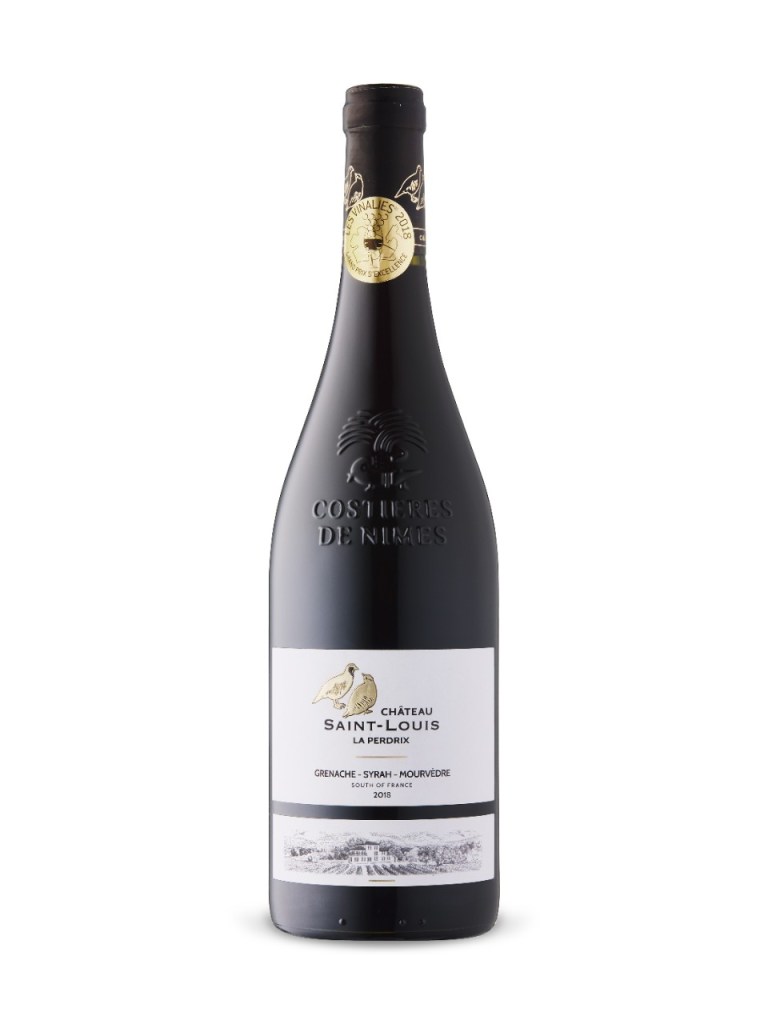
Château Saint-Louis La Perdrix L’envol 2018
750 mL bottle | VINTAGES#: 10514
$12.95

and let me take you on a trip I took in 1968 to one of the world’s great wine regions, when it was just becoming known as such; Napa Valley.

Welcome back to Jim’s Affordable Cellar.

../hippies.jpg
Peace and love transforms San Francisco

It was the late sixties. hippies had descended on San Francisco and my parents, who were wine appreciators, decided we should descend on Napa.  My sweet Aunt Muriel (mom’s sister) lived there; 4,000 kms away from Toronto and in those days, about two hours north and east of San Fran.

Aunt Muriel’s home was a cottagey place with a lemon tree in the backyard. Maybe it was an orange tree. Cut me some slack, I was 12. Anyhow, she was just off the main road that ran through Napa; Highway 29. Now it’s also referred to as the St. Helena Hwy.

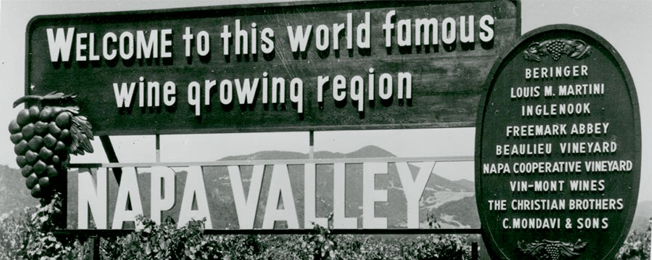
Napa had been developing as a wine producing region since the 1800’s but with the arrival of the Mondavi family in 1934 and in subsequent years with the ideas of the eldest Mondavi son Robert, Napa would become the next great region in the world of wine.

../historical_photo_sign.jpg

The Mondavi’s were one of the first Napa growers to remove their field blends and plant Cabernet Sauvignon, as well as other popular, French grape varieties.

In 1962, following Robert Mondavi’s trip to the best wineries in Europe, the Mondavi winery began emulating some of their production techniques. Soon, other California vintners followed their lead and began aging their wine in small, French oak barrels.

As you know, I’m a big fan of California Cabs, so a big shout out to Robert for making that possible.

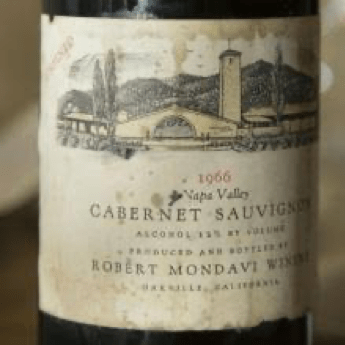
Robert Mondavi broke away from the family business (the Mondavi’s had purchased the Charles Krug winery in 1943) to set up his own operation down the road in the valley. And in 1966 he released his debut vintage of Robert Mondavi Cabernet Sauvignon.

../1966%20label.jpg
First vintage of Mondavi’s Cabernet Sauvignon

Then it was “follow the leader” time in Napa. Because soon other producers jumped into the Cab with him and started producing their own Cabernet Sauvignon.

Back to our trip. At the time we went there, Napa was home to a couple handfuls of wineries situated along Highway 29. Today there are more than 400 punctuating this small and beautiful valley.

The valley is 30 miles long and five at its widest.

Back to our visit with Aunt Muriel. One day (don’t worry, I’m getting to the point of this story) my parents decided we should visit a couple of new wineries they had heard about. Some parents, on a family vacation, would take their kids to an amusement park. We went to the wineries.

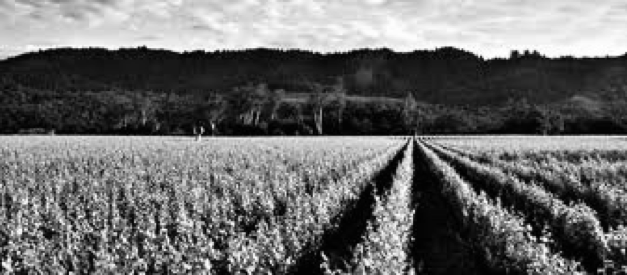
The tasting room at Mondavi with views of ripening grapes.

I remember sitting in a spacious room with mom and dad. It opened onto a wide terrace with panaramic views out to rows and rows of lush vines. We were at the Robert Mondavi winery. It had just opened two years earlier.

We must have been in a tasting area. I was probably having some vintage ginger ale or root beer, while my parents sampled wine. No doubt they tried a Cab but I bet they also had Mondavi’s signature Fumé Blanc.

You see Fumé Blanc was actually Sauvignon Blanc. However, Sauvignon Blanc wasn’t popular in California at the time, so Mondavi made it a whole lot different by changing it a little. He oak-aged it and renamed it Fumé Blanc. It was a huge success.

Well whatever my parents were sampling, I think for them, it was just being there in the early days of an important new winery, that mattered most.

../Mondavi%20winery%20copy.jpg
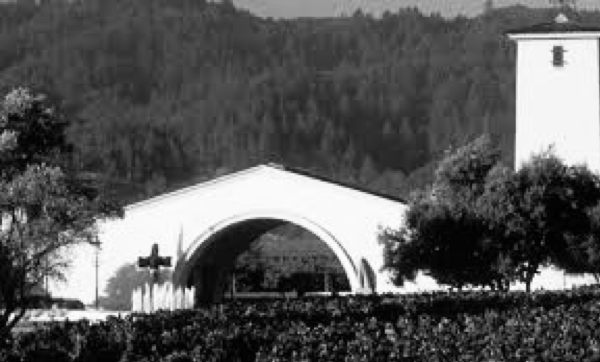
The iconic entrance to the Mondavi Winery

A man probably in his fifties, (he seemed old to me) walked towards where we were sitting. He had a roman nose, a confident smile and carried himself like he owned the place. He slowed his pace and with a smile simply said, ‘Welcome’. Then he was on his way.  Like most 12 year-olds, I didn’t really pay much attention to the man. But in later years and certainly, now, I wonder if perhaps he did own the place. Could it have been that it was Robert Mondavi welcoming us, to the house of Mondavi?

I don’t know for sure, but I’d like to think that just maybe while sipping on a ginger ale, I met one of the iconic pioneers of the California wine industry. Robert Mondavi. He was born in 1913. He died in 2008.

Robert Mondavi

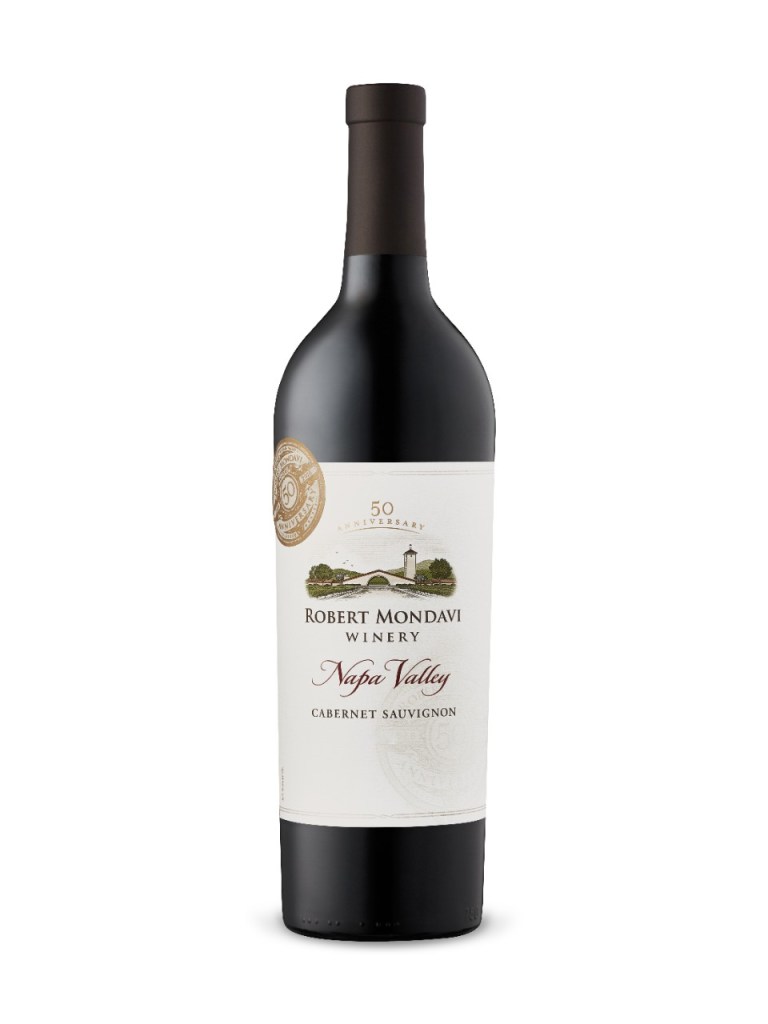
So I think it only fitting that we take a moment to admire a bottle of Mr. Mondavi’s Cabernet Sauvignon. I just so happen to have one on a shelf here in the cellar. Dusting it off for this issue is a treat for me and a tribute to him.

Robert Mondavi Napa Valley Cabernet Sauvignon 2015
750 mL bottle  |   VINTAGES#:  255513
$44.95

This beauty was a gift to me from my son and daughter and their very significant others. In terms of price, it doesn’t even come close to meeting our under $20 criterion of affordability. But in terms of taste, it’s a silky smooth, bounty of cassis and blackberry with aromas of cedar bark. Thank you, Robert Mondavi.

Well that’s about it for our one year anniversary of meeting here each month. Granted this get together has been a bit of a rambling detour. I hope you didn’t mind travelling back to Napa with me but at the least you got a taste of some of the history behind this great wine region.

We’ll get back to scouring the shelves of the LCBO when it’s safe to do so. Maybe that won’t be too far off. Let’s keep our corks crossed.

See you back here in the cellar in May.

Until then, let’s keep all our courageous and dedicated health care providers in our hearts. As always keep your glass of wine close and your friends even closer but for now, keep them on FaceTime.

Jim

“How to pick a good wine? We all have our ways.”

Issue #12     March, 2020

Since we get together each month down here in the cellar to seek out wines that are both enjoyable and affordable, I thought it might be interesting to explore just how we go about making our choices to buy the wines we do. For many of us this is a process that is certainly personal and sometimes a little unexplainable.

Of course, there’s the old stand-by method; word of mouth. A friend or someone like me, mentions a great wine so as any self-respecting wine lover would, you give it a try. A close cousin of this approach is the ‘I’ll have what she’s having’ method. Basically this means you surreptitiously watch what wine the person next to you takes off the shelf at the LCBO and when he or she leaves the area, you grab yourself a bottle too.

Some wine shoppers employ purely visual techniques. They use the shape of the bottle or look of the label, or the name of the wine to make their decision. Personally, if I see any bad puns in the name of a wine, I smell vinegar.

A friend of mine chooses her wine by feel, using the uncommon method of inspecting the bottom of the bottle in question with her fingertips.

If that bottle has a deep indent, (actually it’s called the ‘Punt’) she deems it worthy of a purchase. If it’s mostly flat with no punt or a very minor one, her quest continues. Hey, it sounds nutty, but it works for her.

I’m sure there are other methods too but when it comes right down to it, it doesn’t really matter how we find our favourites, as long as we find them. So let’s.

Welcome back to Jim’s Affordable Cellar.

../cq5dam-1.web.319.319.jpeg

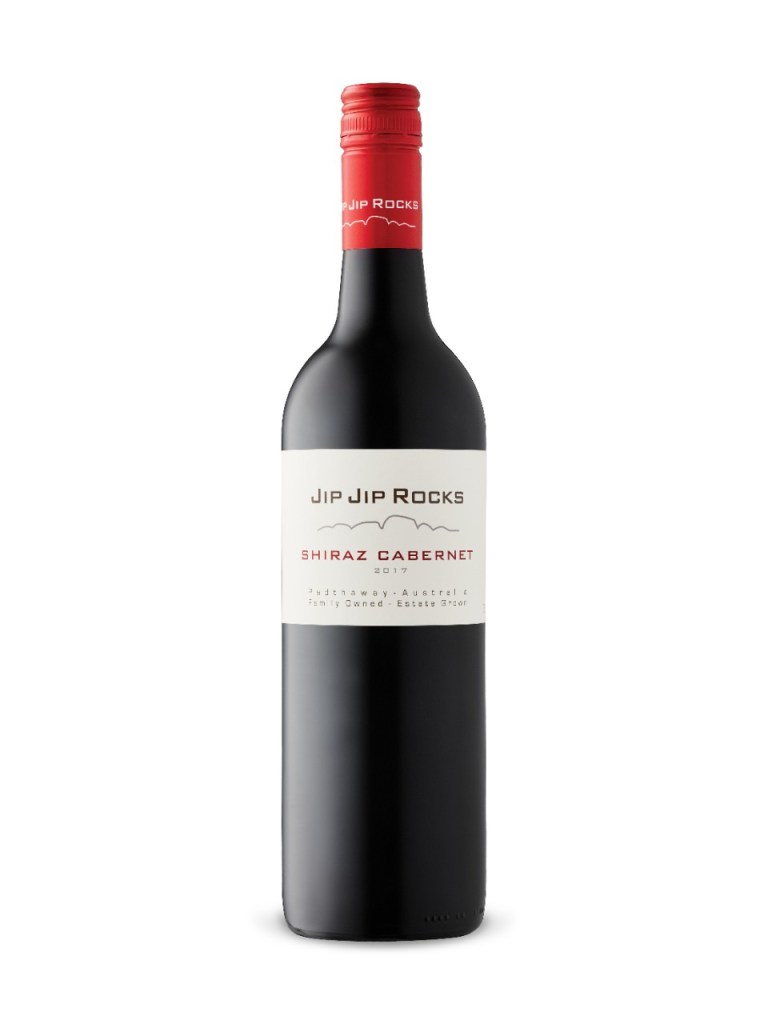
Jip Jip Rocks Shiraz/Cabernet 2017
South Australia
750 mL  bottle  VINTAGES#:  186114
$16.95

Our red this month isn’t new to the shelves. It periodically shows up and is most always worthy of consideration. And you can’t miss the curious name on the label. I have no idea what it means but Jip Jip Rocks Shiraz/Cabernet is a very pleasing blend of two very pleasing grapes.

It has a deep plum colour in the glass with aromas of black raspberries, blueberries and basil. But when you tilt it mouth-bound you discover a silky, smooth flavour-burst thanks to the bold richness of Shiraz and the elegance of Cab Sauvignon.

This bottle has an impressive ‘Punt-factor’ of an inch and one eighth.

My translation,  Jip Jip Rocks, rocks!

../cq5dam.web.1280.1280.jpeg

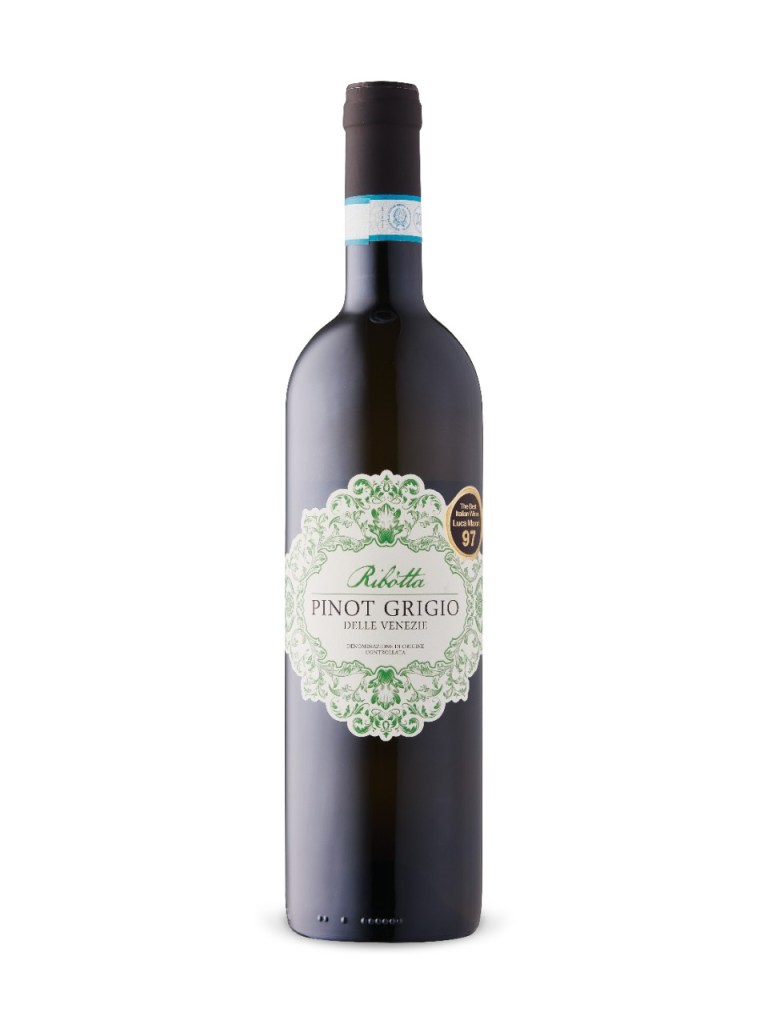
Ribotta Pinot Grigio 2018
DOC delle Venezie, Italy
750 mL bottle  |   VINTAGES#:  12725
$14.95

Now to the Venezie region of Italy for our white this month. Since March brings us the first day of Spring and reason to think of warm afternoons to come, a bright, light and crisp Pinot Grigio is in order. You’ll notice Ribotta Pinot Grigio 2018 on the shelves by it’s refreshing Sea Green floral patterned label.

In the glass you can’t help but behold its crystal clear, pear colour with scents of melon, lemon and peach.

Have a taste and you’re treating yourself to a perfect balance of acidity and smoothness. That’s wine talk for ‘this is really good.’ Of course it is, Ribotta Pinot

has a ‘Punt-Factor’ of over an inch!

../cq5dam.web.319.319.jpeg

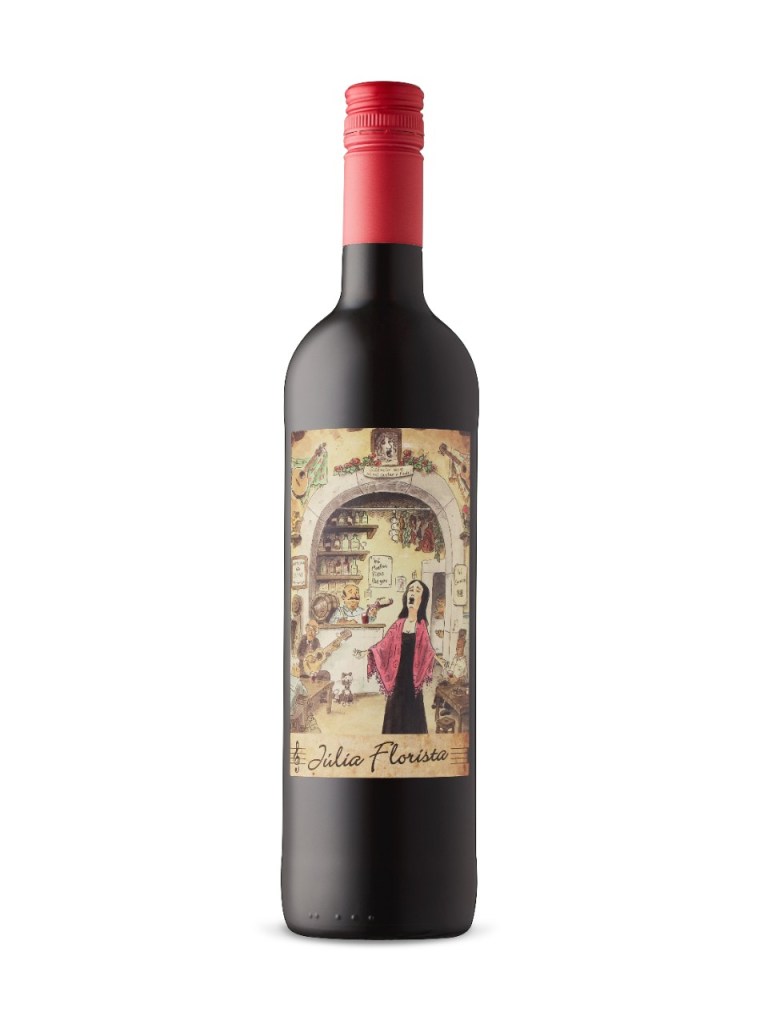
Julia Florista Red Blend
Portugal
750 mL bottle  LCBO#:  532358
$8.95

Our under to radar wine this month is a bottle you’ll find hiding on the regular listing shelves of Portugal. I was drawn to it by the quirky, storybook label and the charming history behind it. That of Julia Florista, the infamous flower girl and spontaneous Fado singer of Lisbon. No matter how well she sang, for under ten dollars this wine named in her honour, hits all the right notes.

It’s deep garnet in colour with bright, fruity aromas and hints of leather.  It doesn’t scream at your taste buds, but softly sings to them in a smooth and tasty voice.

And as for the bottom of this bottle, it has a ‘Punt’ factor of just under an inch. Not bad at all.

This brings us to the close of our March visit together down here in the cellar at the old oak tasting table. In a month when we meet again, I’m planning to use yet another criterion for my selections. Perhaps a healthier one. Not the depth of the bottom of the bottle or the look of the label, but wine designated as ‘Organic’. So hold on to your Birkenstocks because we may have to break the $20 barrier. But it’s worth a try.

See you in April. Until then, keep your glass of wine close and you’re friends even closer.

Jim

“Three new loves of my life.”

Issue #11     February, 2020

February is for sure the most idiosyncratic month of the year. It has fewer days than any other. And once every four years, 28 of them just aren’t enough, so it adds a day. February is also the, single, hardest month to enunciate. That first ‘r’ is just plain diabolical to get your tongue around. Hence, many of us choose to happily cast it aside. February also brings us what for sure is the goofiest tradition of the year; Groundhog Day.  The day we look to a rodent with a brain the size of a ping pong ball, for supreme guidance on how long winter will last.

However, all aspersions aside, February absolutely redeems itself with a singularly important day, dedicated to the loves of our lives.

So with that in mind, this month’s issue of Jim’s Affordable Cellar, with a little help from Cupid, features three affordable wines to completely and hopelessly fall head over heels in love with.

Welcome to the cellar.   

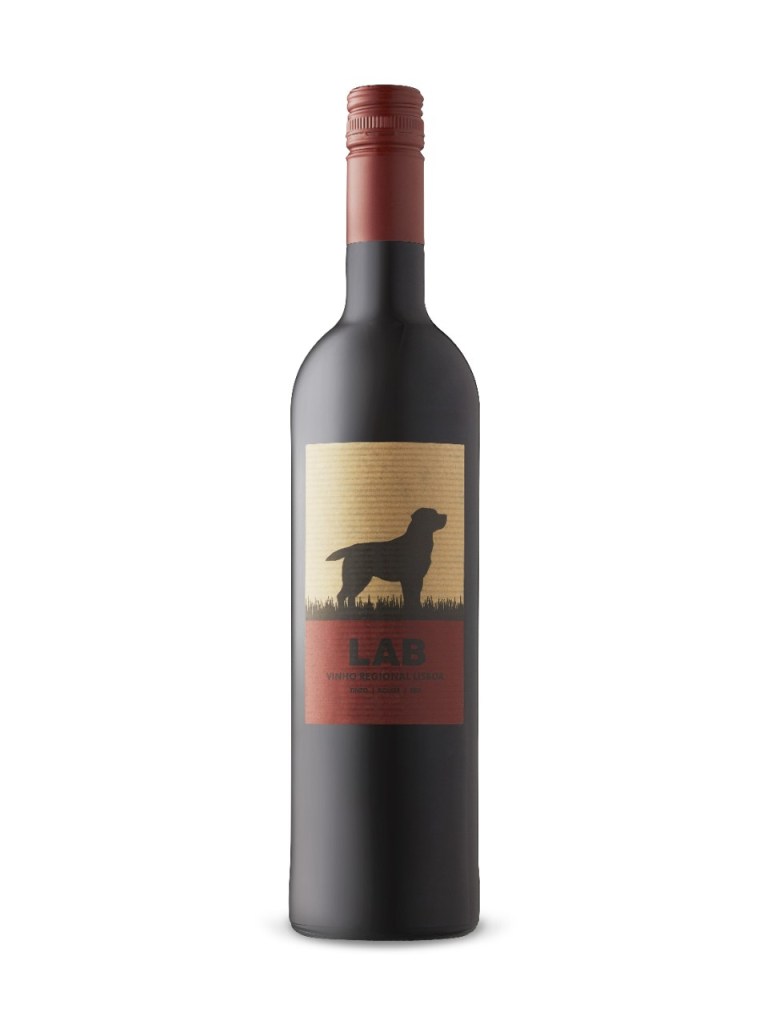
What better symbol of unconditional love and companionship is there, than a dog. With that, let’s get to know our red for this month.  It’s a LAB. And as the label shows, this one is standing there patiently waiting to obey your every command. Just tell it to jump into a glass.

../cq5dam-2.web.319.319.jpeg

Lab Red Lisboa VR
Portugal
750 mL bottle LCBO#:  534586
$9.80

LAB is ruby red with wafts of black currants, leather and ash. It’s raw and juicy. And it’s bold and rough around the edges, in an ‘I’m Portuguese and proud of it’ kind of way. But don’t get me wrong, it’s tasty. It would be great with chipotle cheese burgers, lasagna or whatever wags your tail.

I think you’ll discover, this LAB just wants to be your best friend.

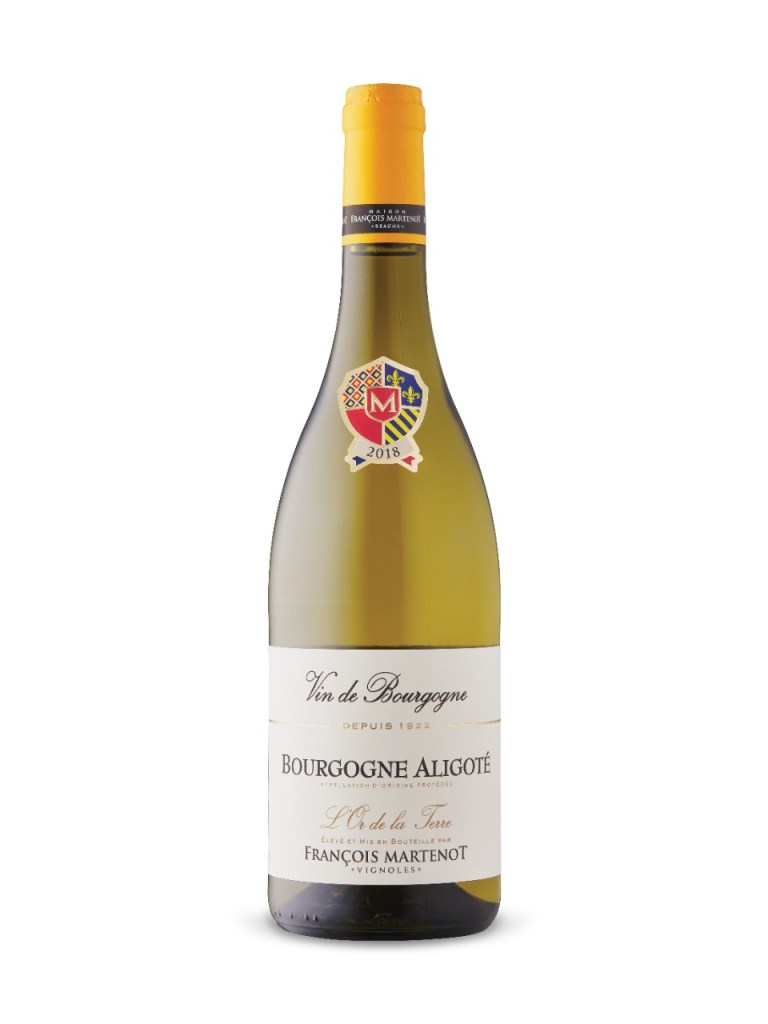
Our white wine this month is also our Under The Radar feature. It’s Marco Polo time down here in the cellar, when we set out to discover something altogether new. In this case, it’s a grape called Aligoté. It is often referred to as ‘the other grape of Burgundy’. Chardonnay is certainly the signature grape of the region, but Aligoté deserves attention. And that my friends, is what we’re here for.

../cq5dam-1.web.319.319.jpeg

Francois Martenot L’or De Laterre Bourgogne Aligote 2018
Burgundy, France
750 ml | Vintages 011912
$15.95

Aligote produces excellent, refreshing wine, thanks to its high acidity. It’s pale yellow in the glass with mild aromas of citrus. And a sip comes with a crisp, dry reward of herbs, lemons and apples.  I had a glass after a crisp, power walk in the snow. Excercise and Aligote. A thirst quenching match made in heaven. Delicious.

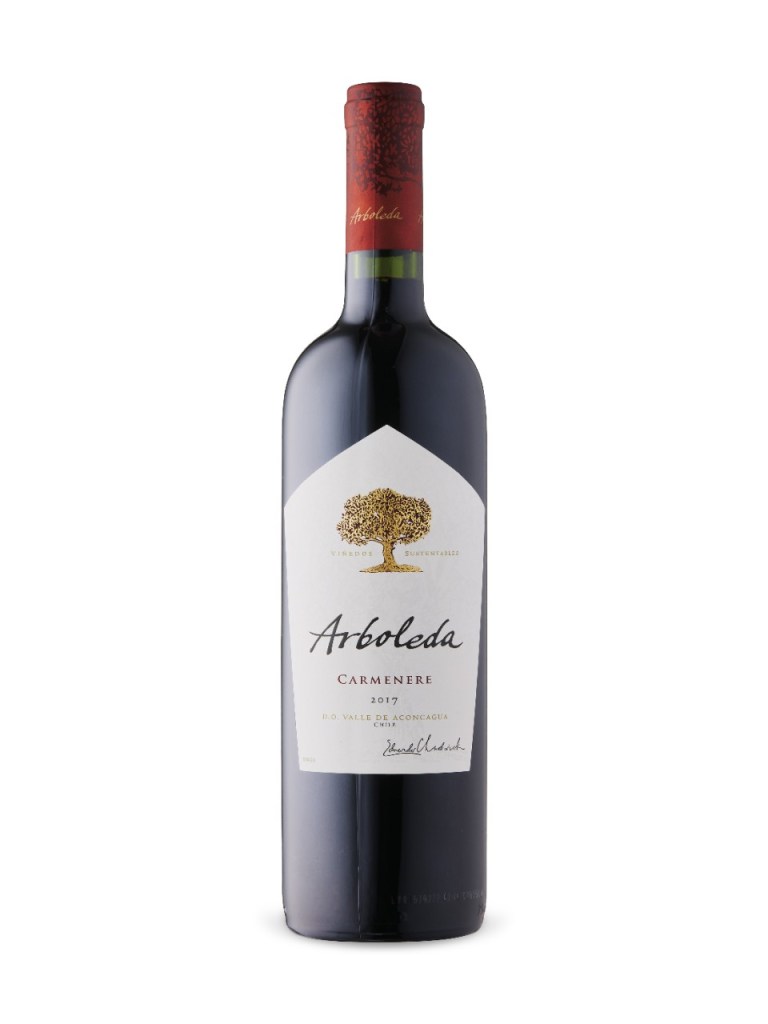
Okay, that’s enough crisp and citrus for me. Let’s get back to something big, full-bodied and well, red! Our third bottle features a grape that is also worthy of Under The Radar status. The grape is called Carmenere. It was originally one of the six noble grapes of the Bordeaux region. But way back, before disease wiped out most of the Carmenere vines in Europe, it found its way to Chile, where for years it was mistakenly thought to be Merlot. I know what you’re thinking. What is this Jim, a history newsletter? Right. Let’s have some Arboleda Carmenere 2017.

../cq5dam.web.319.319.jpeg

Arboleda Carmenère 2017
Aconcagua Valley, Chile
750 mL bottle  VINTAGES#:  46284
$19.95

Well, this is absolutely Carmenere. It pours a deep, dark crimson shadow into your glass. And out of those shadows rise herbal essences and vapours of dark fruits. Then you realize you’re drinking a smooth treat of blackberries and brambleberries with pepper and spice. And that spice is Carmenere’s calling card. Maybe it’s your first Valentine card.

That about wraps up another visit together down here in the cellar around the old oak tasting table. Before we part ways for another month I’d like to leave you with a quote about ‘love’ from the great poet, writer and satirist, Dorothy Parker. ‘Love is like quicksilver in the hand. Leave the fingers open and it stays. Clutch it, and it darts away.’

See you back in the cellar in March. Until then, keep your glass of wine close and you’re friends even closer.

Jim

“Tribute to a great affordable wine hunter.”

Issue #10     January, 2020

I don’t know about you but December and the holidays have the scary ability to over-inflate my January VISA balance. That being the case I thought it might be a good idea that we tighten the fiscal belt to start off our year of good wine hunting.

This month, we’ll get to know three tasties that hover around the $10 mark. Yup, ten bucks.  

As we know, one certainly doesn’t have to spend over $20 for a really good bottle. Well guess what. You don’t even have to spend much over $10, for an enjoyable little quaffer.

Allow me to reminisce for a moment. My dad was a mining engineer, geologist and prospector. He worked in the business of searching (mostly underground) for valuable minerals. He also loved to search for good wine that wasn’t expensive. Under $10 was his sweet spot. He would scour the shelves, prospecting for gems, readily seeking the advice of the in-store experts. In those days (the 1970’s) they always wore green blazers with a gold LCBO crest.

More often than not he’d come home with a real find. A tasty, inexpensive gem. But for dad, I think the search itself was just as satisfying.

So this issue of Jim’s Affordable Cellar is dedicated to wines near or under $10, and to my great dad for instilling in me the love of finding them.

Welcome back to the cellar.

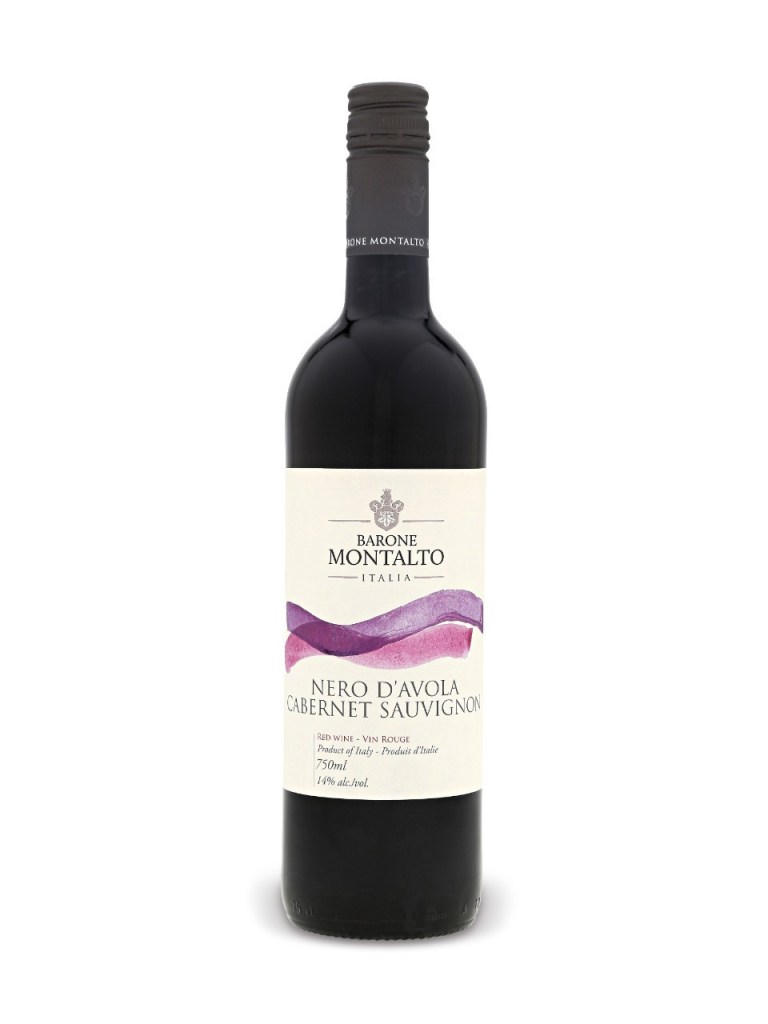
After a sip of our first red this month, I hope you agree that finding this bottle on the LCBO’s regular listing shelves, is a little like striking gold. Barone Montalto comes to the cellar from the land of a rather famous family, the Mafia.

cq5dam.web.319.319.jpeg

Barone Montalto
Nero D’Avola Cabernet Ter Sicilane IGT
Sicily, Italy
750 mL bottle LCBO#:  621151
$9.45

This Sicilian steal is inky and dark like an alley in Palermo at midnight. But just follow your nose to find its soft essences of berries. It’s a tannic titan with lots of smooth and delicious dark berry flavour. Barone Montalto is no Rothschild but it’s a perfect house wine and great for a relaxed family dinner. Any family.

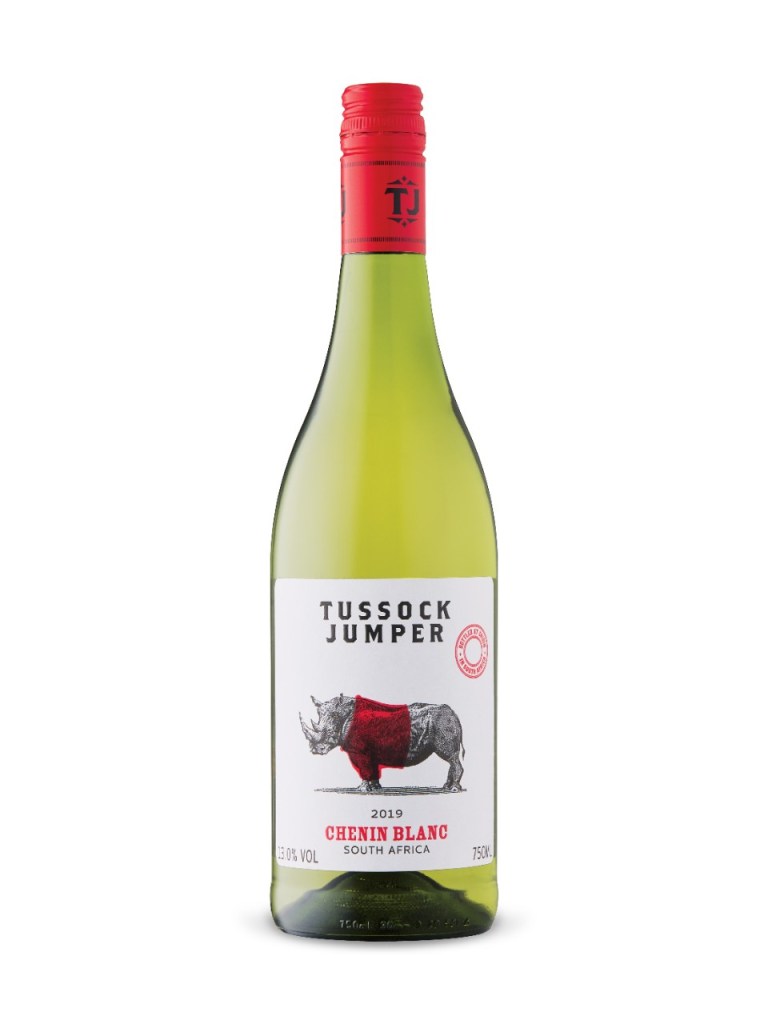
Our white wine feature is also our Under The Radar bottle this month. Let’s get to know a grape we haven’t yet tasted from a country we’ve somehow missed so far. The grape is Chenin Blanc. Originally from the Loire Valley of France, now it’s the most widely planted varietal in South Africa, where it’s also known as Steen.  And if that’s not reason enough to try it, Tussock Jumper Chenin Blanc is also the only bottle in the LCBO with a rhino in a red sweater on the label.

cq5dam-2.web.319.319.jpeg

Tussock Jumper Chenin Blanc 2019
Western Cape, South Africa
750 mL bottle VINTAGES#:  480764
$12.95

Chenin Blanc is a grape with high acidity so it’s used to make everything from sparkling to dessert wines. But this offering is extra dry. It’s bright in the glass and on the tongue with citrus flavours and green apple. And in keeping with our mining theme, this Jumper has a minerality that is crisp and thirst slaying. Rhino’s may be large, but they’re fast. You may want to run out and grab a bottle.

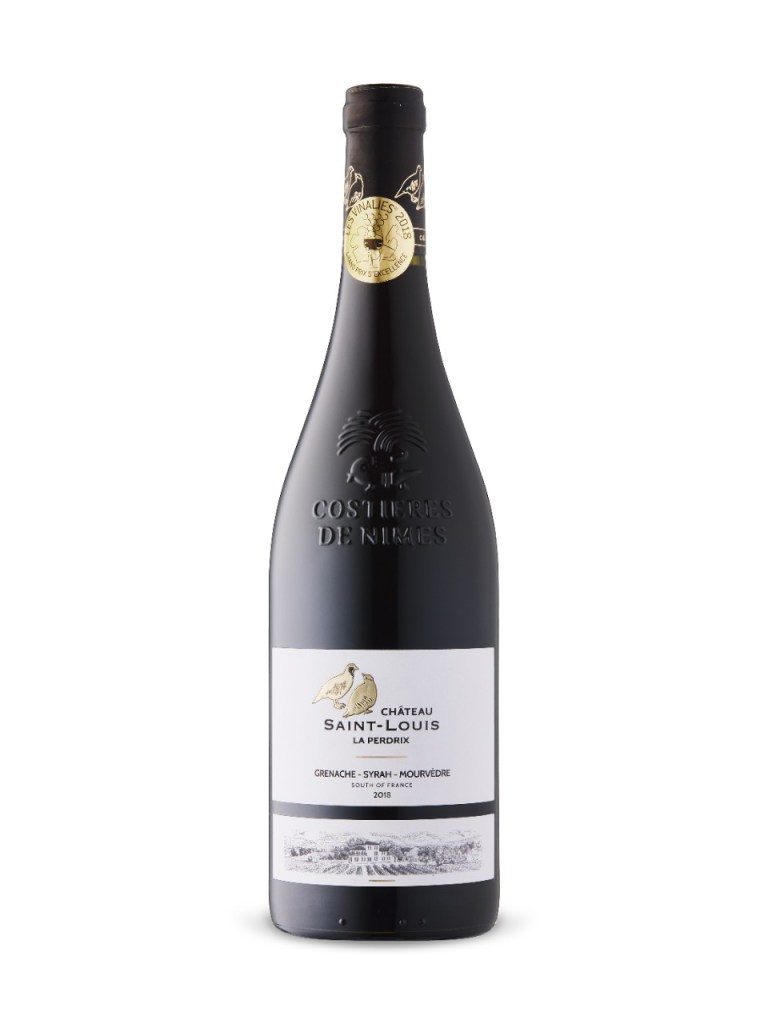
France is rich territory to mine for delicious finds but as it turns out the country also has a few price-conscious gems. Chateau Saint-Louis stands before us in the cellar but it has travelled from the Languedoc region in the south of France. The bottle just looks like it should be more expensive.

Château Saint-Louis La Perdrix L’envol 2018
Languedoc, France
750 mL bottle VINTAGES#:  10514
$12.95

It sits still in the glass, brooding and dark. Like it’s wishing it was back home in the south of France. But then an aroma of spice and smoke invites you to taste what it’s made of. A blend of three grapes that love sharing the same space. Syrah, Grenache and Mourvedre. They live so well together that they simply reward you with a soft and elegant juice that has character and finesse, a.k.a. It’s real good.

That wraps up our time down in the cellar for this month. From here it’s upward and onward in our search for more great bottles. And this being 2020, the year of perfect vision, I’m confident we’ll have no trouble finding them.

See you back here in February when we throw financial caution to the wind and enjoy some wine that costs almost a whopping $20.

Until then, keep your glass of wine close and you’re friends even closer.

Jim

“The time of year for getting into cabs.”

Issue #9   December, 2019

In 1961 the velvet voiced and gifted songwriter Mel Tormé, nicknamed The Velvet Fog, penned the words ‘Chestnuts roasting on an open fire, Jack Frost nipping at your nose’ to begin what would become probably the most well-known (and quite lucrative for Mel) Christmas tune of all-time. Nat King Cole’s silky vocals took Tormé’s words and etched their warm sentiment into hearts everywhere.

Needless to say, this month more than any, we all head out with Jack Frost nipping at our noses, to visit and celebrate alongside friends and family. It is also the month to rely a little more on taxis and uber rides to get us where we’re going and bring us back home safe.

So for this festive December issue of Jim’s Affordable Cellar I thought it would be appropriate to call three Cabs to our attention. And they’re lined up waiting for us to get into them.

Welcome back to the cellar.

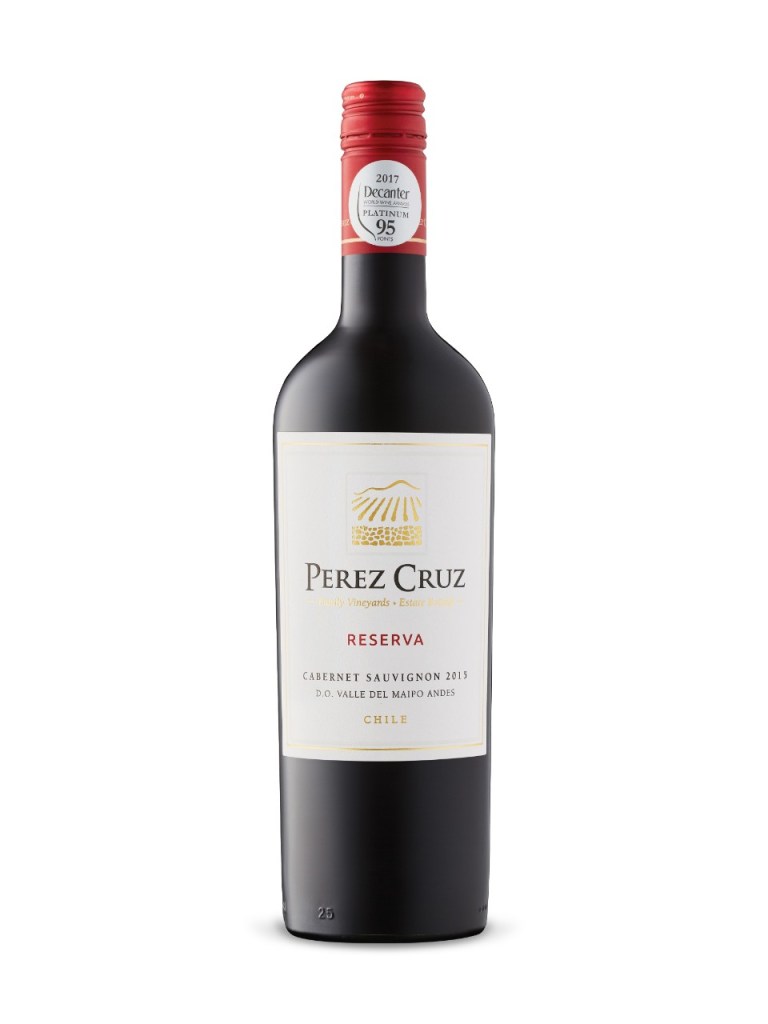
Our first Cab has come all the way from the Maipo Valley; mid-way down South America’s very own sunset strip, Chile. Wine-making began there in the 1600’s thanks to the Spanish conquistadors. French wine varieties including Cabernet Sauvignon were introduced in the mid-1800’s. So the Chileans have had a few years to perfect the many terrific wines they now produce.

Perez Cruz Reserva Cabernet Sauvignon is certainly one of them.  

../cq5dam.web.1280.1280.jpeg

Pérez Cruz Reserva Cabernet Sauvignon
Maipo Valley, Chile
750 mL bottle VINTAGES#:  694208
$14.95

It’s definitely proof that inexpensive can be elegant. And in this case elegance comes with aromas of cassis, black cherry, and tobacco.  This is a steal of a wine you can always find in the store and always find yourself satisfied for having brought it home. Introduce it to a burger and you’ll find they get along famously.

Our next Cab is waiting, so let’s take our taste buds for a smooth and easy ride. Our driver is Mr. Tom Gore of Sonoma County. I have a weakness for Cabs from California. This one is made beautifully with grapes Tom sources from vineyards on the Central and North Coast.  

../cq5dam-1.web.1280.1280.jpeg

Tom Gore Cabernet Sauvignon
California, USA
750 mL bottle VINTAGES#:  451336
$17.95

When you pour it, your glass is transformed to deep, dark red. Vapours of black berry, raspberry, plum and orange fill the air and your soul begins to smile.

It’s rich and round. Uber-smooth, oaky and smoky with some mocha and vanilla. And it has tannins you can taste on your teeth.  A glass of Tom Gore tastes like, ‘I’ll have some more.’

As always, as is our tradition here in the cellar once a month we go under the radar to a place where perhaps we’ve never gone before. In this case we’re going not so much to a country but a region, found at the most southern tip of South America. Patagonia. It’s surrounded by three oceans; the Pacific to the West, the Atlantic to the East and the Southern Ocean to the,…well you get it.  

Although Patagonia is shared by Chile and Argentina, the Argentines claim bragging rights for this Wapisa Cabernet Sauvignon.

../cq5dam-2.web.1280.1280.jpeg

Wapisa Cabernet Sauvignon 2016
Patagonia, Argentina
750 mL bottle VINTAGES#:  10970
$18.95

Wapisa is deep, deep purple in the glass. It casts off aromas of dark berries, smoke and cinnamon. It’s medium to full bodied with lots of dark, fruity tannins and a bit of spicy attitude. For me, Wapisa isn’t as round and rich as say, a California Cab like the Tom Gore we just tried, but then Patagonia is practically a hemisphere away from California. I’d have this Cab in a heartbeat with spicy wings or a peppercorn steak.

There you have it. Our three Cabs have delivered us to the end of this month’s issue. I guess that means it’s time to leave the cellar. So in parting I’d like to thank you for visiting the cellar this year and wish you all the best of the season with these words from The Velvet Fog.

‘And so I’m offering this simple phrase.
To kids from one to ninety-two.
Although it’s been said many times,

Many ways: Merry Christmas to you.’

Hope to see you back here in the new year. Until then, keep your glass of wine close and you’re friends even closer.

Jim

“A visit to Jim’s slightly less affordable cellar.”

Issue #8   November, 2019

Well here we are once again at the foot of this year’s winter mountain. You could say we’re at base camp. Otherwise known as November.

As we all know only too well, there’s some tough sledding ahead. Really, we’re left with no choice but to grin and bear it, fully embrace it, or go to Florida.

In the meantime, because this month is the first in a while with cool, damp weather, maybe we deserve to brighten the gloom by treating ourselves. So this month, we’re going to live a little and break our usual under $20 rule. Fiscally friendly wine will take a back seat to three bottles that can pleasantly melt any thoughts we may have about approaching ice pellets.

The great Italian film director, Sergio Leone made a number of classic films starring Clint Eastwood that became known as ‘spaghetti westerns’. The theme of this issue, comes from the name of one of those films. ‘For a Few Dollars More’.

Welcome back to the cellar.

For this month, let’s call it Jim’s Slightly Less Affordable Cellar.

While the heat of summer not only calls for but demands a crisp, dry Sauvignon Blanc or Pinot Grigio, a rich and full Chardonnay is just what Dr. November prescribes. This one comes to us from the home of Chardonnay; the Burgundy region of eastern France. There’s nothing like a white burgundy and Louis Jadot’s Bourgogne Chardonnay is an excellent example.

cq5dam.web.1280.1280.jpeg

Louis Jadot Bourgogne Chardonnay
Burgundy, France
750 mL bottle VINTAGES#:  933077
$24.95

What I really like about this burgundy is that unlike some Chardonnays, its makers are not heavy-handed with oak. They keep it subtle and let the grapes do the talking. It has a beautiful early morning golden hue. (Don’t worry, I’m not drinking it in the early morning). It has a scent of citrus, of pears and honeydew melon. And in the mouth, it’s rich and full and soft and creamy with a friendly refreshing hello from granny smith.   

As I mentioned Burgundy is the home of Chardonnay. But for me, this burgundy is quite at home in a glass in my hand.

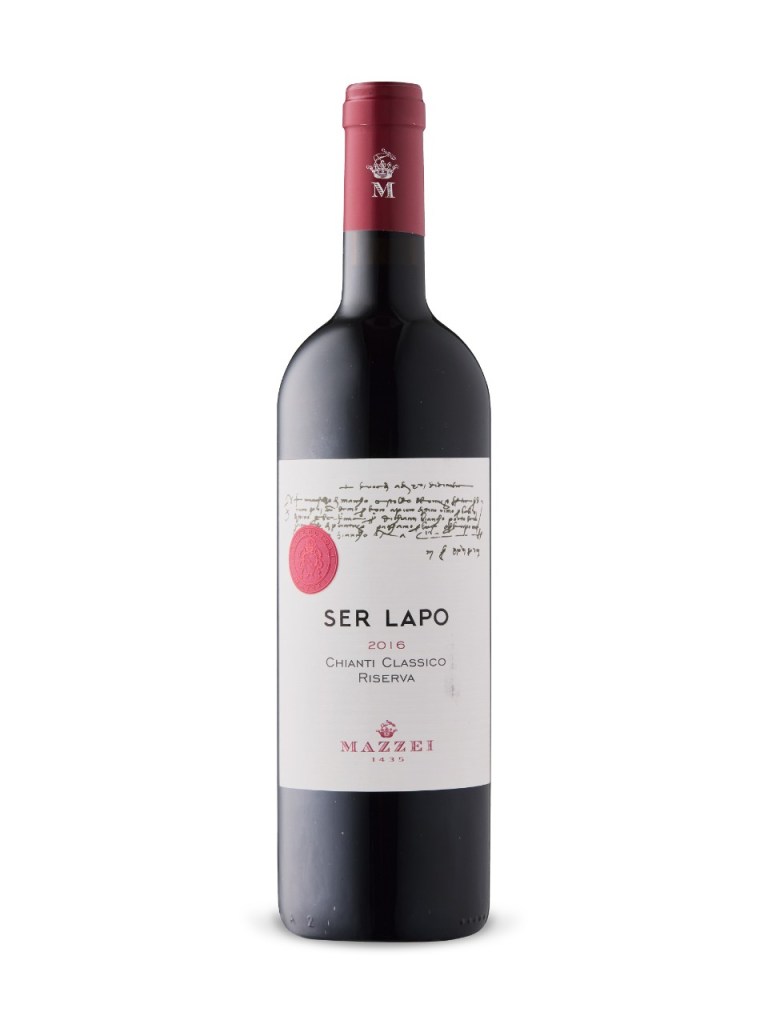
Since the theme of this newsletter comes from a Sergio Leone film, it is only fitting that we get to know a red wine from the director’s homeland. Italy. Tuscany to be exact. So let’s get to know a blockbuster of a Chianti. Ser Lapo Riserva Chianti Classico 2016.

cq5dam.web.319.319.jpeg

Mazzei Ser Lapo Riserva Chianti Classico 2016
Tuscany, Italy
750 mL bottle VINTAGES#:  288530
$24.95

This Chianti is deep ruby. Brooding and dark like November at five in the afternoon. Sorry for the reminder. It has a strong essence of black cherry and raspberry with sort of an orangey-ness. But the best part is having a sip. It’s medium bodied and smooth. There’s an ashy, woody flavour with some leathery spice and nice puckering tannins.

In the classic 1991 psychological thriller ‘Silence of the Lambs’, Hannibal Lecter famously liked someone’s liver and fava beans with a nice Chianti. This one would also be quite nice with a spaghetti western.

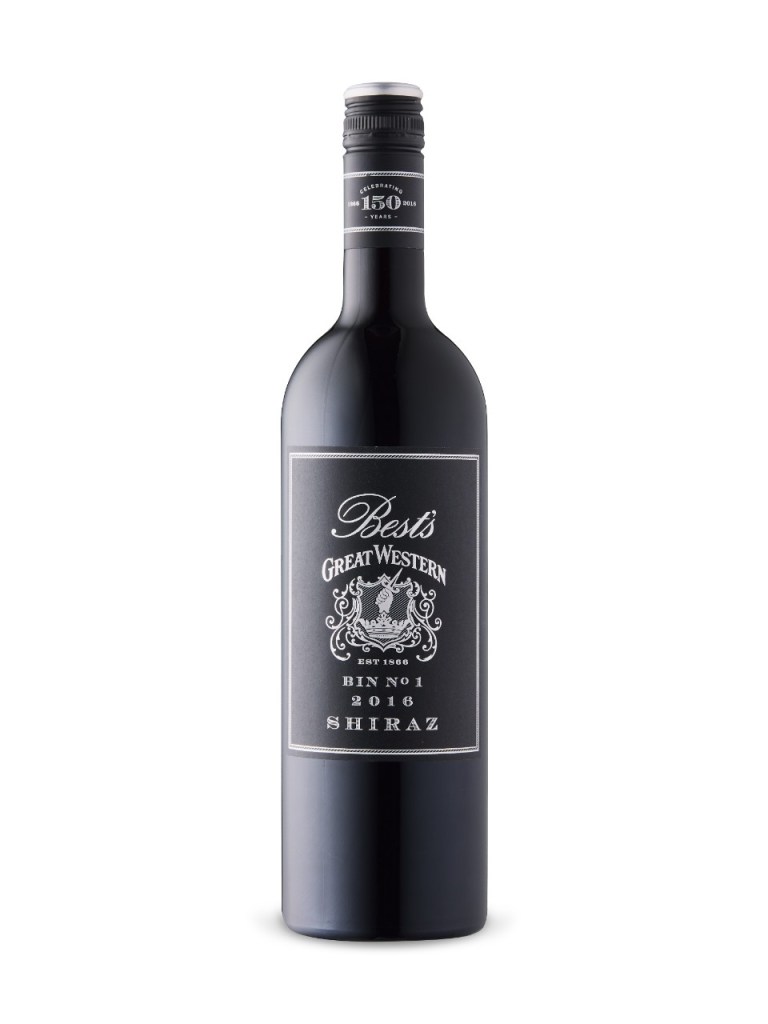
For our under the radar wine this month, just for fun I thought we should go ‘Down Under’ the radar. There isn’t anything really too out of one’s comfort zone, or that unknown about a Shiraz from Australia, except perhaps that everywhere else in the world, this grape is referred to as Syrah. I think it’s safe to say that we can refer to Best’s Bin No. 1 Shiraz as mighty nice.

cq5dam-1.web.319.319.jpeg

Best’s Bin No. 1 Shiraz 2016
Victoria, Australia
750 mL bottle VINTAGES#:  222323
$21.95

When you study it in your glass it’s an inky, November shadow. It invites you to drink with aromas of plums, black berries and maybe a bit of pepper. And then when you do, you get a velvety mouth wash of deep raspberry and ripe peaches.

All that said, here’s the fundamental question we need to ask of every bottle of wine.  Is it good? In this case, you can bet shiraz it’s good.

It’s time to leave the cellar for another month. I hope to see you back here in December. Until then, keep your glass of wine close and you’re friends even closer.

Jim

“Two important colours of Autumn; Red and white.”

Issue #7   October, 2019

Lucky for us, in this neck of the woods October is synonymous with colour. This is show time for our numerous deciduous trees as they display their many shades of yellow, crimson, orange and magenta. These are the colours that arrest us every fall. The same colours that captivated our wonderful Group of Seven and inspired their vivid interpretations using colours known by slightly different names; yellow ochre, cadmium red, chrome orange and burnt sienna.

So, for this October issue of Jim’s Affordable Cellar, it is only right that we pay special attention to colour. But as is our way each month, we’ll focus on the two colours that matter most. Red and white.

Welcome back to the cellar.

Pull up a chair to the old oak tasting table and together let’s add a little colour to our cheeks.

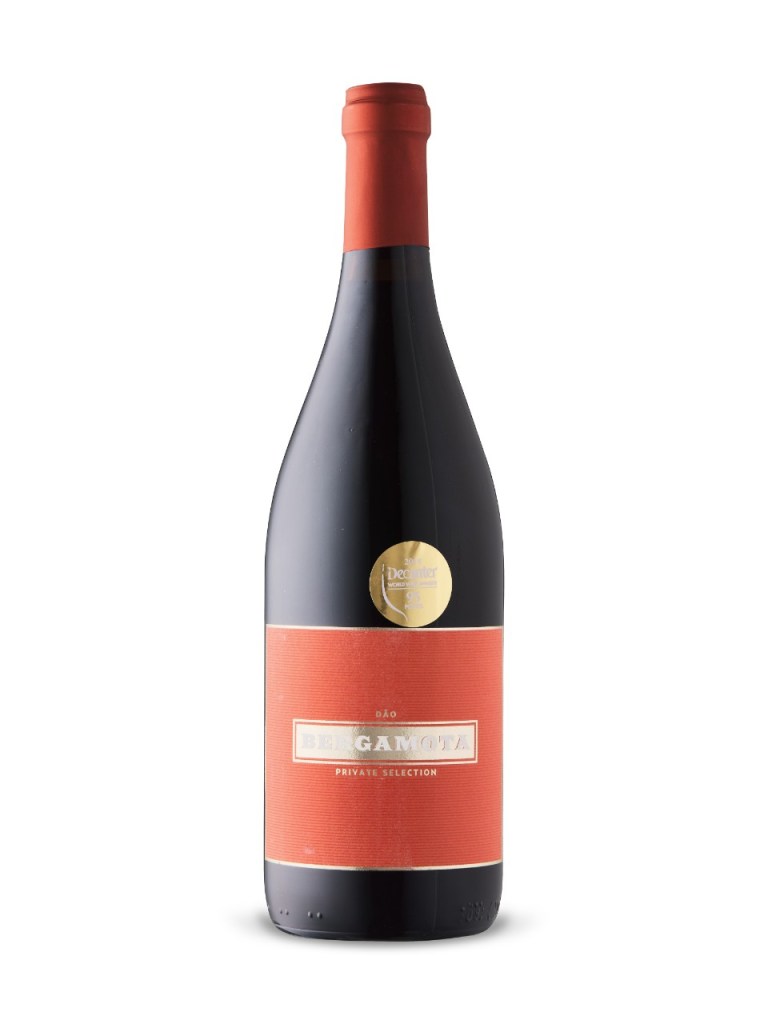
The red I’m going to talk about (I’d sing about this wine if I could) comes to us from the land of Port and those amazing custard tarts. Portugal. But it’s also the land of great wine. As evidenced by this Bergamota Private Selection from 2015.

Berga-fantastic I’d say.

Bergamota Private Selection 2015
Portugal
750 mL bottle  VINTAGES#:  646893
$13.95

It’s dark and dense as a night without a moon. And in the air, there are dark cherries, chocolate and something floral. Roses? Then you taste it and discover it’s smooth and scrumptious. Full bodied and rich. If they hadn’t turned these grapes into this beautiful wine, it would have made a beautiful port for sure.  

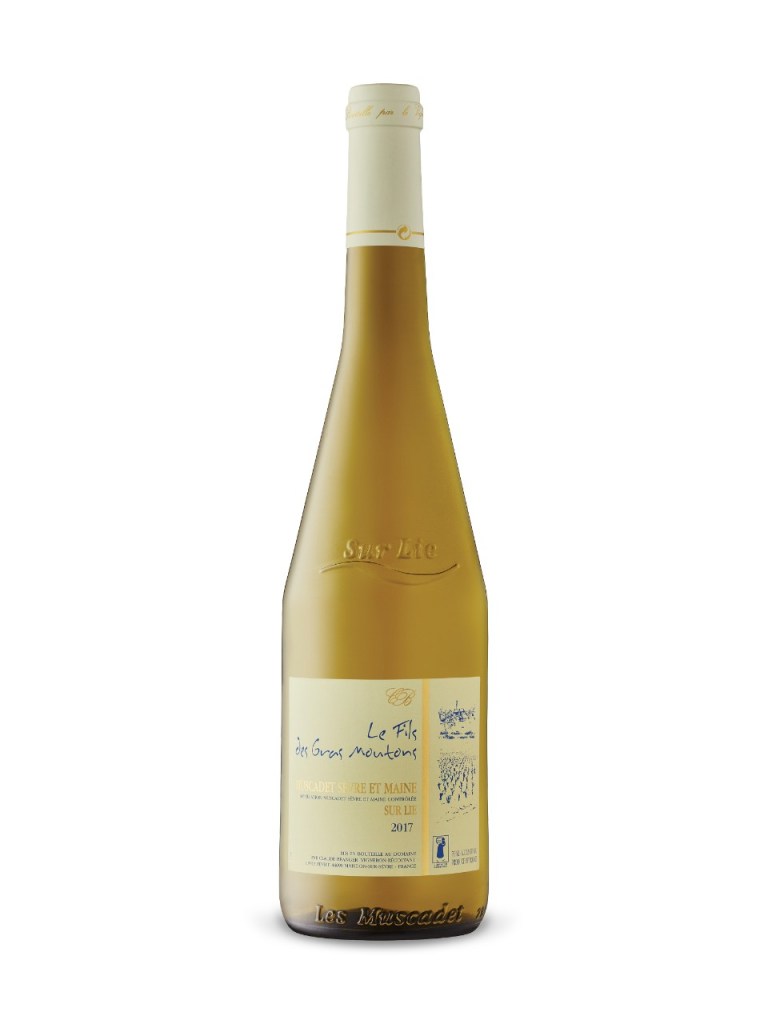
This month’s white comes to us from the western edge of France’s Loire valley, not far from the Atlantic. Les Fils des Gras Moutons Muscadet features the grape, Melon de Bourgogne which thrives in the region’s magnesium-rich soil of clay, and produces wine known for its crisp and refreshing personality.

../cq5dam.web.1280.1280.jpeg

Le Fils des Gras Moutons Muscadet Sèvre-et-Maine Sur Lie 2017
France
750 mL bottle | VINTAGES#:  363150
$15.95

In your glass, it’s a soft yellow. The kind of yellow that October’s paintbrush applies to a Birch or Poplar. It wafts of earthiness, like the aroma of Autumn itself.

And when you take a drink, it’s mildly effervescent with flavours of crisp green apple. It would be a nice quencher following a long afternoon walk on a leaf-covered forest path. Or more realistically, after you’ve built a major thirst from bagging a billion frickin’ fallen leaves in the yard.

I also like this wine for how its name translates. ‘Son of the fat sheep.’ And now as we do each month let’s go ‘under the radar’ and get to know a wine that may be a bit of a mystery. In this case, not only a wine but a particular process of making wine. Ripasso.

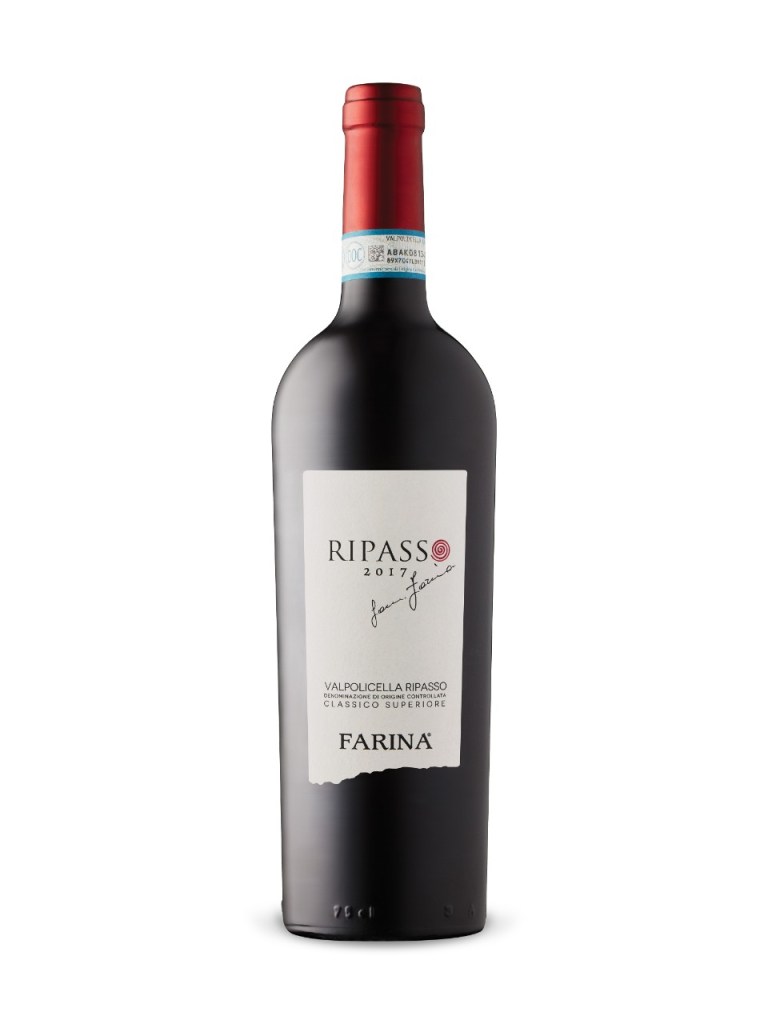
Ripasso is produced in Valipolicella in the province of Verona, Italy using the technique of “re-passing” Valpolicella wine over the dried grape skins of the beautifully full-bodied wine called Amarone. Enough of the tech talk. Let’s make way for Remo Farina Ripasso Valpolicella Classico Superiore 2017

../cq5dam-1.web.319.319.jpeg

Remo Farina Ripasso Valpolicella Classico Superiore 2017
Italy
750 ml bottle | VINTAGES#:  999946
$18.95

Remo Farina is the deep crimson of a shaded red maple. It beckons a sip with aromas of dark ripe fruit, hints of orange and dark chocolate. (They should make a chocolate bar with this wine). And while it’s soft on the tongue, there’s a lively, tasty richness that rewards you for choosing it.  Making Ripasso is an art for sure.

So let’s call this Ripasso, somewhat of a Picasso.   

Sadly, the leaves are off the tree for this issue. But we’ll get together again in a few weeks as we try to make November feel a little less like well, November. Until then, keep your glass of wine close and your friends even closer.

Jim

“The time of year when vintners see what their grapes are made of.”

Issue #6   September, 2019

For most wineries in the northern hemisphere, September ranks as the month of months; the one that perhaps matters most in the creation of wine. This is the time on the calendar when many varieties of grapes come of age and are harvested before the north’s cold air and too much rain douses hopes of future greatness.

For the vintners and the wine makers, each September as they see their grapes go on to their next stage in life is kind of like parents watching their grown children go out into the world to see what they might become.

So, for this issue I thought it fitting we profile three wines made with grapes that were picked from the vine at this very special time of year.

Welcome back to the cellar.

This month we’re going to Spain, France and Italy as we taste and toast wine’s defining month. September. As you know, each time we get together we get to know an ‘under the radar’ selection from the cellar; a wine we might not consider because of where it’s from or because it’s made with a grape we’re not familiar with or maybe because it just has a darn ugly label.

Well this one you may not consider because of something else; its price. Not how high it is, but how low. This bottle is dirt cheap. $7.95. But don’t let that make you think it’s bad. 

cq5dam.web.319.319.jpeg

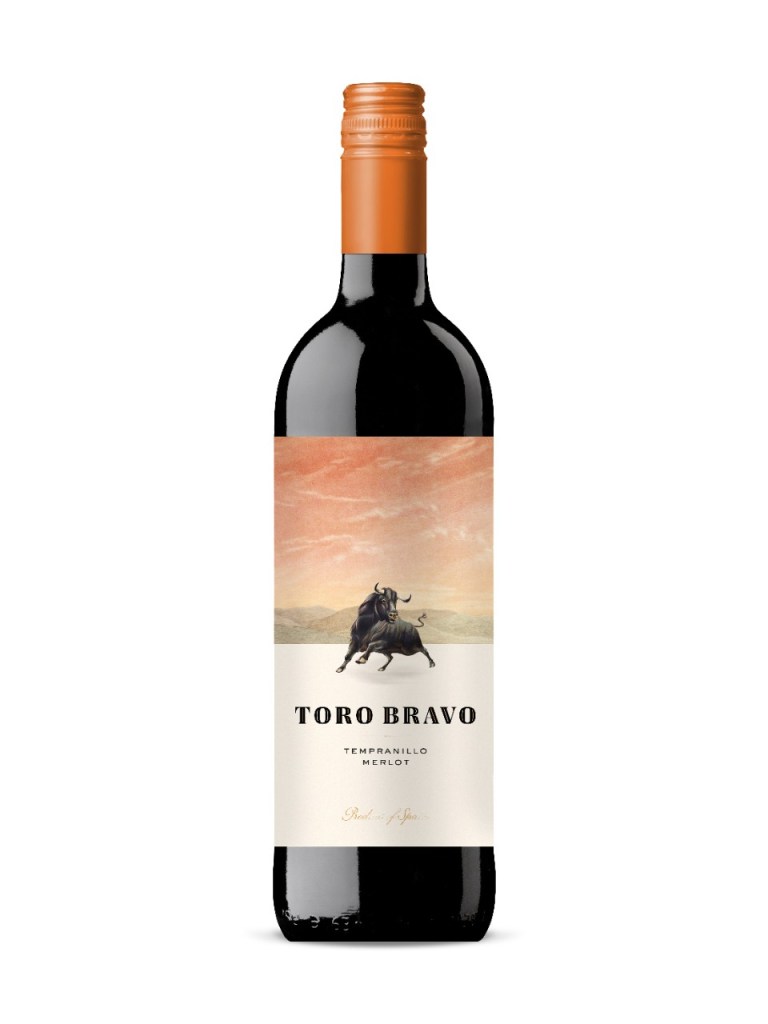
Toro Bravo Tempranillo Merlot,
DO Valencia, Spain
750 mL bottle  |   LCBO#:  635755
$7.95

Toro Bravo comes to us from Spain. It’s a blend of two tasty grapes; Tempranillo and Merlot which gives it a tasty, medium-bodied smoothness. Let’s not kid ourselves, for $7.95, it’s no Chateau Rothschild but it ranks up there with a lot of wine at twice its price. Toro is deep ruby and slightly transparent. Wisps of earthiness and black berries rise to your nose. And it tastes of ripe plums with a tease of chocolate.

Bravo to the makers of this Toro.

cq5dam.web.1280.1280.jpeg

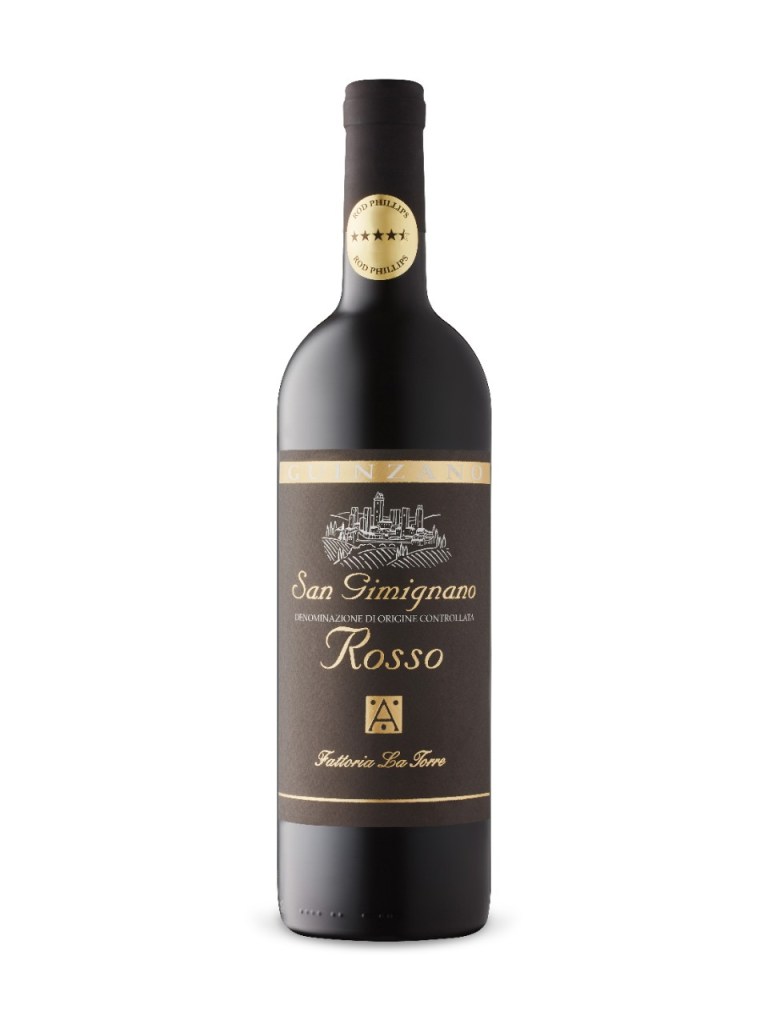
Falchini Vigna a Solatio Vernaccia di San Gimignano 2017
Vernaccia
750 mL bottle  | VINTAGES#: 480665
$19.95

Any time of the year is a good time to go to Tuscany, but this month Tuscany has come to us here in the cellar. This beautiful Tuscan white wine features the region’s Vernaccia grape. It’s produced in the Italian hill town of San Gimignano and since the Renaissance, has been considered one of Italy’s finest whites. I concur.

It’s buttery yellow to look at, like the first ray of sunlight after a storm. And it’s light, crisp, and super-smooth. This Vernaccia is a quencher with flavours of green apple and a hint of lemon; a perfect drink to close out the summer with. Sorry about that. Let’s try this. A perfect drink to extend the feeling of summer. That’s better.

cq5dam-1.web.1280.1280.jpeg

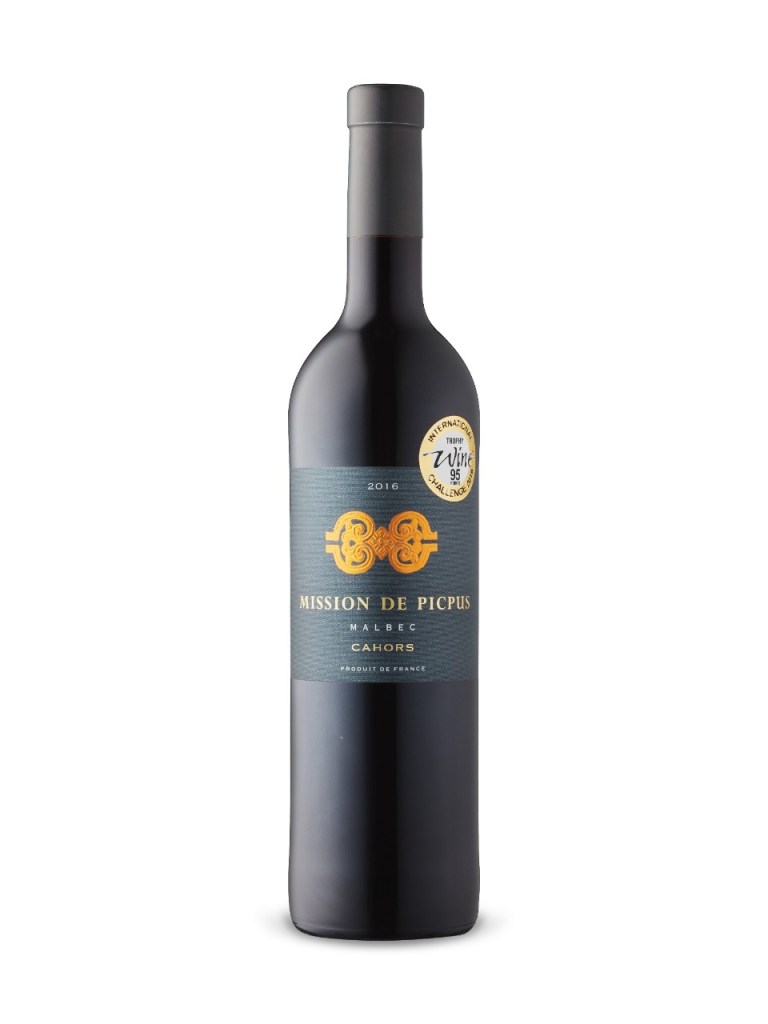
Mission de Picpus Malbec 2016
Southwest, France
750 mL  bottle   |   VINTAGES#:  10573
$17.95

For our red this month, we get to meet an absolute treat. Mission de Picpus from the often-overlooked Cahors region of France, in the southwest. Here Malbec thrives, as it does in Argentina thanks to an abundance of sun and heat.

Back to Mission de Picpus. When its grapes were harvested approximately three Septembers ago, they definitely were on a journey to greatness. In the glass, it’s inky and opaque. Like you’re holding a dark secret. But the secret is out well before it gets to your mouth. You sense ripe fruit and an earthy intensity in the air. It’s a big, bold, full-bodied taste sensation of black cherries and black raspberries. Grab this one fast. Like a September sunset, it won’t last long.

That’s it for this month. And remember, while you’re sipping your fave wine over the next few weeks, raise your glass to the wine makers and the pickers who are out in the vineyards right now gathering the grapes for future vintages. For us to enjoy.

See you back in the cellar in October. And until then, keep your glass of wine close and your friends even closer.

Jim